Choosing between blinds, shades, and shutters
The right window coverings can change how a room looks, feels, and functions every day. Blinds, shades, and shutters all control light and privacy, but they do it in different ways, with different levels of softness, structure, maintenance, and visual impact. If you are comparing Blinds vs. Shades vs. Shutters, the best choice usually comes down to the room, your style, and how much control you want over sunlight, privacy, and insulation.
Which window treatment option is right for your home?
The right window treatment option is the one that fits how you actually use the room. Blinds are a practical choice when you want adjustable light control and a clean, simple look. Shades are ideal when you want softness, fabric texture, and a more streamlined appearance. Shutters are best when you want a built-in architectural feature that feels sturdy, classic, and long-lasting.
A good decision starts with three questions: how much privacy do you need, how much light do you want to filter or block, and what style should the room express? A bedroom may need room-darkening shades, while a kitchen may benefit from easy-to-clean blinds or shutters. A living room might call for layered window treatments that balance daylight, comfort, and design.
The basic differences between blinds, shades, and shutters
Understanding the core differences makes the Blinds vs Shades vs Shutters decision much easier. Each option covers the window, but the materials and movement are different.
Blinds offer flexible light control
Blinds are made with slats that tilt open or closed.This lets you direct light without fully exposing the window, which is useful in offices, bathrooms, kitchens, and street-facing rooms. Common materials include wood, faux wood, aluminum, and vinyl, each offering a different look and level of durability.
Blinds are often chosen for their practicality. You can raise them completely, lower them for privacy, or tilt the slats to soften glare. They work especially well in rooms where you want quick adjustments throughout the day.
Shades create a softer, more seamless look
Shades are usually made from fabric or woven material and move as one continuous panel. They do not have slats, so they create a smoother appearance than blinds. Depending on the material, shades can filter sunlight, darken a room, add texture, or help create a cozy atmosphere.
Popular styles include roller shades, Roman shades, cellular shades, woven wood shades, and solar shades. This variety makes shades a strong choice when design and mood matter as much as function.
Shutters add structure and permanence
Shutters are solid window coverings with frames and operable louvers. They are often installed inside the window frame and feel more like part of the home than a removable accessory. Their structured design can add visual weight, clean lines, and a timeless look.
Shutters are often used in living rooms, dining rooms, bedrooms, and front-facing windows. They can provide excellent privacy and light control while giving the room a polished, architectural finish.
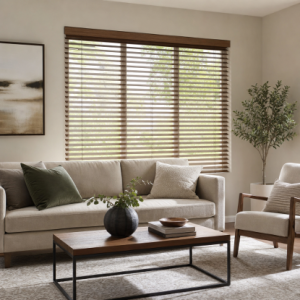
A quick comparison of popular window coverings
Use this simple comparison to narrow your options before focusing on colors, materials, or custom details.
- Best for adjustable light: Blinds and shutters both let you tilt slats or louvers to manage sunlight without fully opening the window.
- Best for softness: Shades add fabric, texture, and a less rigid visual effect.
- Best for a built-in look: Shutters feel more permanent and can become part of the room’s architecture.
- Best for minimal style: Roller shades or simple blinds can keep the window clean and understated.
- Best for texture: Roman shades, woven wood shades, and fabric shades bring warmth to neutral rooms.
- Best for easy direction of light: Blinds are especially useful when glare changes throughout the day.
- Best for classic curb appeal: Shutters often look attractive from both inside and outside the home.
This is why the blinds vs shades conversation is not always enough on its own. Shutters belong in the discussion when you want durability, strong lines, and a more permanent design statement.
How should you choose window treatments for each room?
Choose window treatments by matching the room’s purpose with the level of light control, privacy, and maintenance it needs. A bedroom usually calls for more privacy and darkness, while a living area may need filtered daylight. Kitchens and bathrooms often need materials that can handle moisture, cleaning, and daily use.
Here are practical room-by-room ideas:
- Bedrooms: Consider cellular shades, Roman shades with lining, shutters, or blinds paired with curtains if you want privacy and better light control.
- Living rooms: Use shades for softness, shutters for structure, or blinds for flexible daylight. If the room feels plain, textured shades can add warmth without clutter.
- Kitchens: Faux wood blinds, shutters, or easy-clean roller shades can work well because they are less fussy than heavy fabric treatments.
- Bathrooms: Privacy and moisture resistance matter most. Faux wood blinds, vinyl shutters, or privacy shades are usually more practical than delicate fabrics.
- Home offices: Blinds and solar shades can help reduce glare while keeping the room bright enough for work.
- Dining rooms: Roman shades or shutters can make the space feel more finished, especially if the room is used for hosting.
Style and function should work together
Window treatment options are not just decorative. They affect how often you use lamps, how comfortable a room feels in strong sun, and how private your home feels at night. The best choice supports your daily routine while still looking intentional.
If your home has a modern style, simple roller shades, wide-slat blinds, or clean-lined shutters may fit naturally. If your style is traditional, Roman shades, wood blinds, or plantation-style shutters can add warmth and depth. For a relaxed or organic look, woven shades can soften hard surfaces and bring in natural texture.
Color also matters. Window coverings close to the wall color tend to disappear, making the room feel calm and open. Contrasting finishes, natural wood tones, or bold fabric choices draw attention to the windows and can become part of the design.
Maintenance and daily use make a big difference
Before choosing, think about how much cleaning and adjustment you are willing to do. Blinds can collect dust on individual slats, but many are easy to wipe down. Shades may need gentler care, especially if they are fabric, textured, or light in color. Shutters are sturdy and can often be cleaned with regular dusting or wiping, depending on the material.
Also consider who uses the room. Homes with children, pets, or high-traffic areas may benefit from durable materials and cordless or motorized options where available. Convenience matters because window treatments are used every day, not just admired from across the room.
Measuring, layering, and finishing details matter
Even beautiful window coverings can look wrong if they are poorly measured or mismatched to the window shape. Inside-mount treatments create a clean, tailored look, while outside-mount treatments can make windows appear larger or help cover trim and light gaps. The right mount depends on the window depth, frame style, and desired effect.
Layering can also improve both style and function. For example, shades can be paired with curtains for softness and extra privacy. Blinds can sit behind drapery panels for flexible light control. Shutters can stand alone because they already have a finished, built-in presence.
A simple decision checklist
Before making a final choice, review these points:
- Do you need privacy during the day, at night, or both?
- Should the room feel bright, filtered, or darkened?
- Do you prefer fabric softness or a structured look?
- Is the space humid, messy, sunny, or high traffic?
- Do you want the window coverings to blend in or stand out?
- How often will you open, close, raise, or adjust them?
- Are easy cleaning and durability important for this room?
If you are still undecided, start with the room where function matters most, such as a bedroom, bathroom, or office. Once you know what works there, it becomes easier to choose treatments for the rest of the home.
The best choice is the one that fits your life
Blinds, shades, and shutters each have a clear role. Blinds are practical and adjustable, shades are soft and versatile, and shutters are structured and timeless. Instead of looking for one perfect answer, compare how each option supports the way you live in each room.
When you weigh privacy, light, style, maintenance, and daily convenience together, the choice becomes much clearer. The best window coverings should look good, work smoothly, and make your home more comfortable every day.
High-quality blinds, shades & shutters with fast delivery. Apply today to become a 「D&R Blinds trade partner」.